Insurance Plans We Accept
We work with many major insurance providers to make quality mental healthcare more accessible.

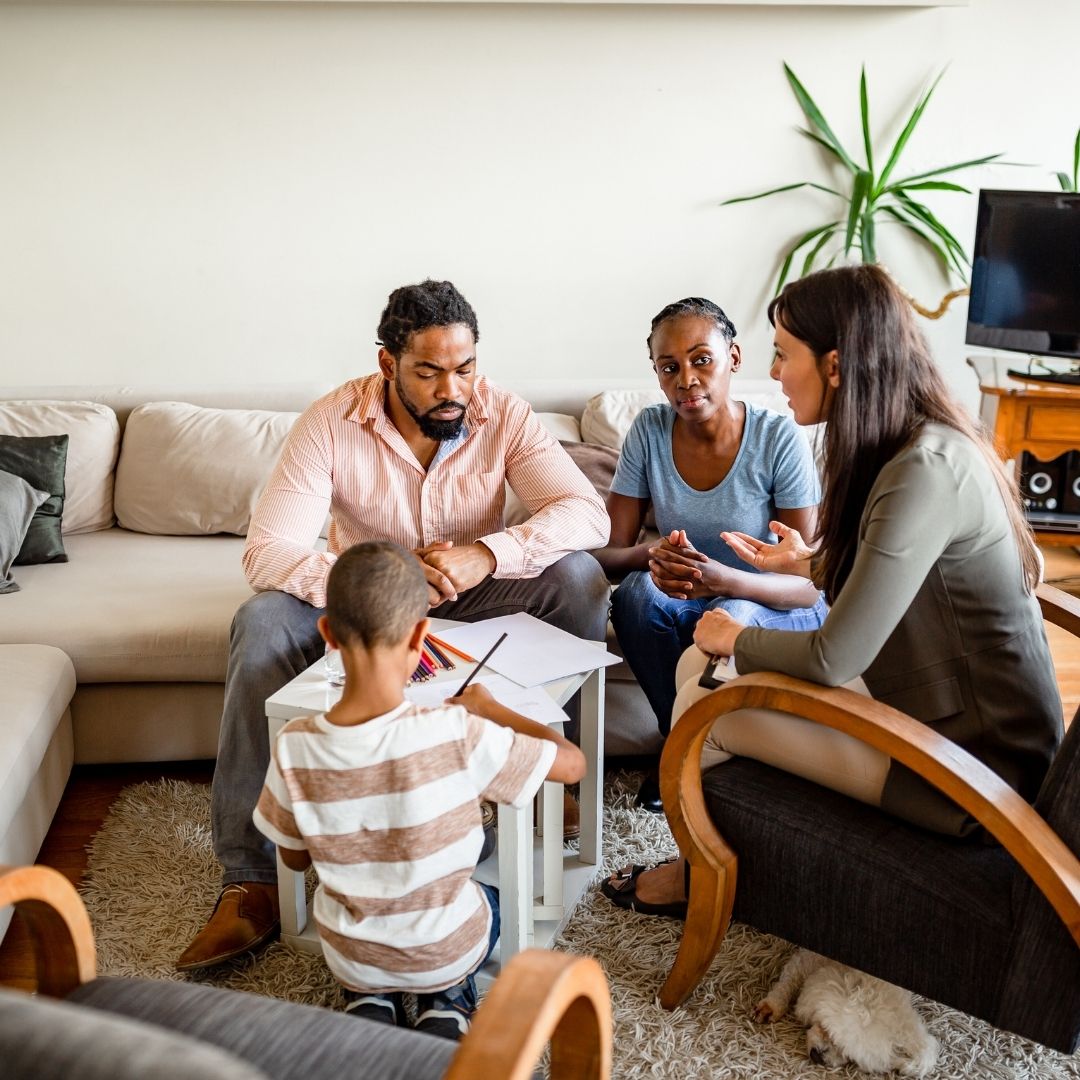
Creating Healthier Family Relationships Together
A Safe Space to Be Heard
A supportive environment where family members can openly express their thoughts, feelings, and concerns.
Better Communication
Learn healthier ways to communicate, listen, understand each other, and work through disagreements.
Stronger Family Connections
Develop practical tools to manage challenges, strengthen relationships, and create a healthier family dynamic.
Personalized Support for Your Family
Every family has its own relationships, experiences, strengths, and challenges. Our therapists provide support tailored to your family's unique circumstances.
A Space Where Everyone Can Be Heard
Family therapy creates a supportive environment where family members can express their thoughts and feelings and feel heard without having to navigate difficult conversations alone.
Healthier Communication t
Learn ways to communicate needs, concerns, boundaries, and emotions more effectively while developing better listening skills.
Understanding Family Patterns
Explore recurring patterns of interaction and conflict to better understand what may be contributing to tension within the family.
Stronger Parent-Child Relationships
Build greater understanding, connection, trust, and cooperation between parents, children, and caregivers.
Support Through Family Changes
Navigate transitions such as separation, divorce, remarriage, parenting changes, grief, relocation, or other significant changes that can affect family relationships.
Practical Tools for Everyday Life
Develop strategies for managing disagreements, setting healthy boundaries, responding to challenging behaviors, and maintaining healthier relationships outside of therapy.
Family Therapy for the Challenges You're Facing
Families seek therapy for many different reasons. Sometimes there is a specific conflict that needs attention. Other times, communication has gradually become difficult or family members feel increasingly disconnected.
Family Communication Problems
When conversations repeatedly turn into arguments, misunderstandings, or silence, family therapy can help members communicate more openly and develop healthier ways to listen and respond.
Parent-Child Relationship Challenges
Family therapy can help parents and children better understand each other's perspectives, strengthen connection, and work through recurring disagreements.
Family Conflict
Recurring disagreements between parents, children, siblings, or other family members can create stress throughout the household. Therapy can help identify underlying patterns and develop more constructive ways to manage conflict.
Parenting Challenges
Therapy can provide support when parents and caregivers are struggling with communication, boundaries, expectations, discipline, or changes in their child's emotional or behavioral needs.
Family Changes & Transitions
Major changes such as separation, divorce, remarriage, relocation, a new baby, loss, or changes in family roles can affect everyone. Family therapy can provide support while family members adjust.
Teen & Adolescent Challenges
Changes during adolescence can affect the entire family. Family therapy can help parents and teens improve communication, understand each other's experiences, and work through concerns together.
Types of Family Therapy
There are different approaches to family therapy, and the right approach depends on your family's needs, concerns, and goals. Depending on the situation, a therapist may draw from approaches that focus on communication, family relationships, behavior, attachment, or family systems.
Family Systems Therapy
Looks at relationships and patterns within the family and how each person's behavior can affect the broader family system.
Structural Family Therapy
Focuses on family roles, boundaries, relationships, and patterns of interaction within the family.
Strategic Family Therapy
Uses focused strategies to address specific patterns or challenges affecting family relationships.
Child- and Parent-Focused Approaches
When children are involved, therapists may use developmentally appropriate approaches that support the relationship between children and their caregivers.
Our therapists are trained across multiple therapeutic approaches and will work with your family to determine which methods and strategies best fit your unique situation and goals.
Frequently Asked Questions
Answers to common questions about family therapy at Good Karma Therapy.
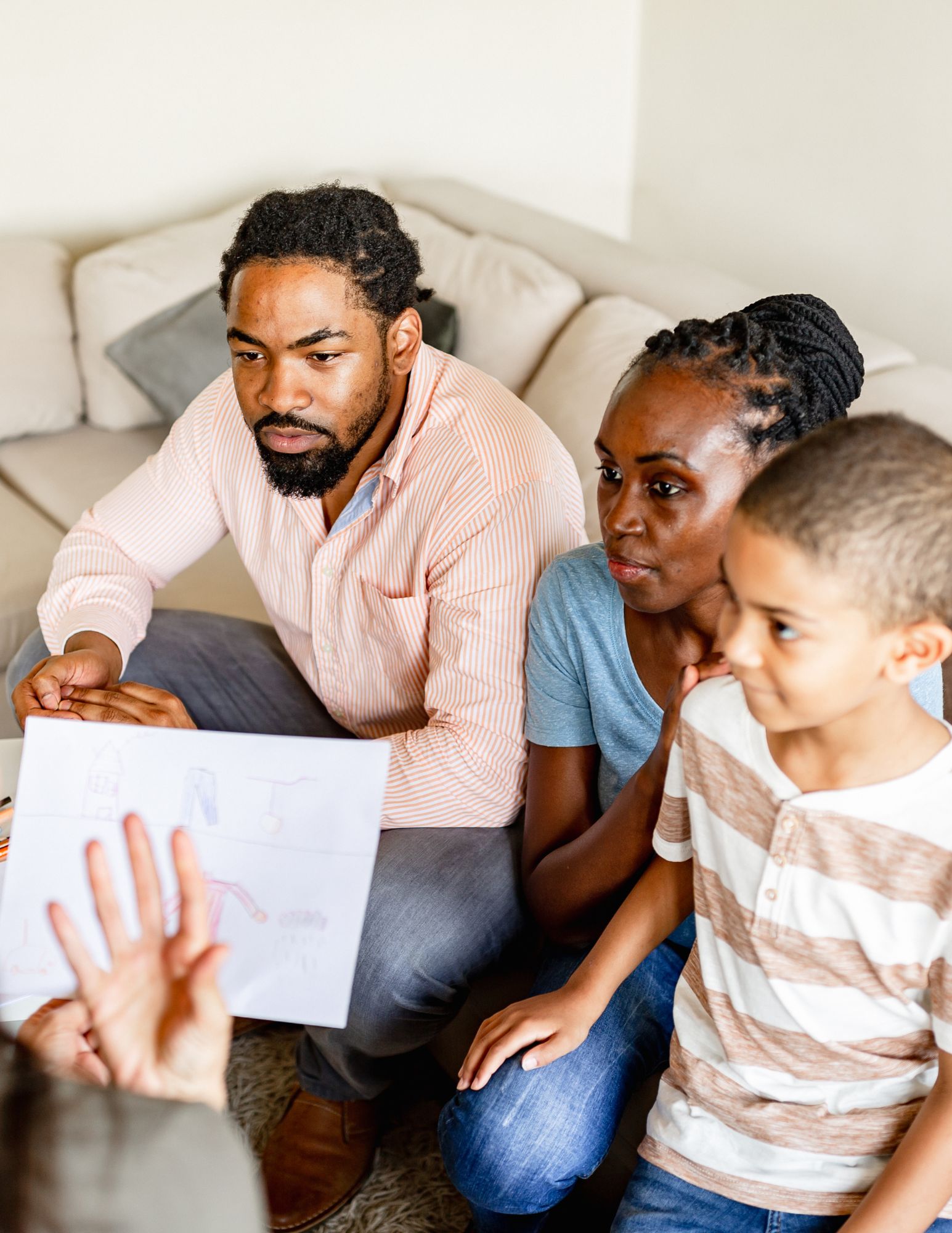
Your questions, answered
Family therapy is a form of therapy that helps family members understand relationship patterns, improve communication, and work through challenges together. It focuses on the family system and relationships rather than only one individual's concerns.
Family therapy can help family members express their needs more clearly, listen more effectively, and recognize patterns that contribute to misunderstandings or conflict. Therapists can also teach practical communication and conflict-resolution skills.
Think about what brought your family to therapy, the challenges you'd like to address, and what you hope will change. You don't need to prepare everything in advance—your therapist will guide the conversation and help identify treatment goals.
Family therapy can help families improve communication, reduce conflict, strengthen relationships, and develop healthier patterns of interaction. The effectiveness of therapy depends on factors such as the family's concerns, participation, therapeutic approach, and treatment goals.
Yes. Family therapy can help parents and children better understand each other's perspectives, improve communication, address recurring conflict, and build stronger, healthier relationships.
Family therapy can help with communication problems, parent-child conflict, parenting challenges, adolescent concerns, family transitions, grief, divorce or separation, blended-family challenges, and other relationship difficulties.
Family therapy may be covered by insurance depending on your plan, benefits, and the circumstances of treatment. Contact Good Karma Therapy to learn more about accepted insurance plans and available payment options.
Family counseling can help improve communication, strengthen relationships, address recurring conflict, develop healthier boundaries, and give family members practical tools for navigating challenges together.
The length of family therapy varies depending on your family's needs, treatment goals, and progress. Some families may benefit from short-term therapy, while others may continue treatment for longer as they work through more complex concerns.
Individual therapy focuses primarily on one person's experiences, emotions, and goals. Family therapy focuses on relationships and patterns among family members and may involve multiple members of the family in the therapeutic process.
Explore More Services
Explore personalized support for individuals, couples, families, and children.
Your Family Doesn't Have to Navigate Challenges Alone
Every family experiences difficult seasons. Asking for support doesn't mean your family has failed. It can be a step toward understanding one another and creating healthier relationships.